Wood bending
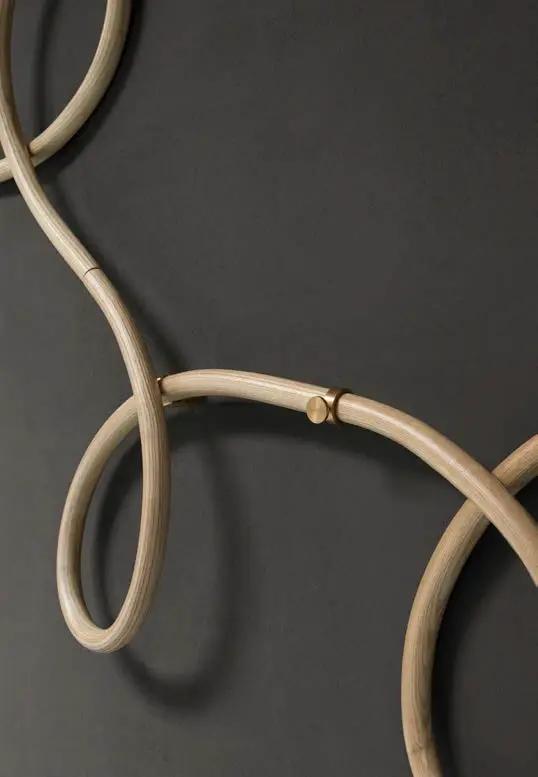
The technique of wood bending is an ancient method, present in the craftsmanship of various civilisations, but long kept in the background due to its limited advantage in terms of productivity.
The Technique
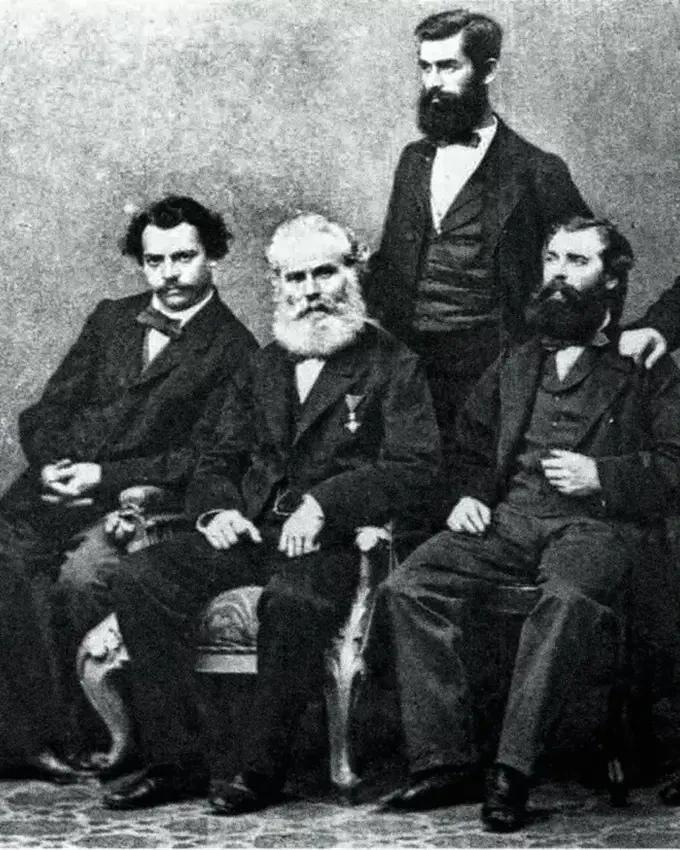
Michael Thonet's intuition arose from the observation that fresh wood is more flexible than dry wood. Starting from this consideration, Thonet and some of his contemporaries experimented with bending packages of thin sheets of wood, immersed in boiling glue and then dried in rigid moulds.
However, this solution did not guarantee the strength of the product due to the fragility of the adhesive. To overcome this problem, Thonet decided to work exclusively on the physical properties of the wood, completely eliminating glue from his processes. To obtain greater flexibility of the material — even after drying — he increased slippage between the fibres by exposing them in a highly humid environment.
The Patent
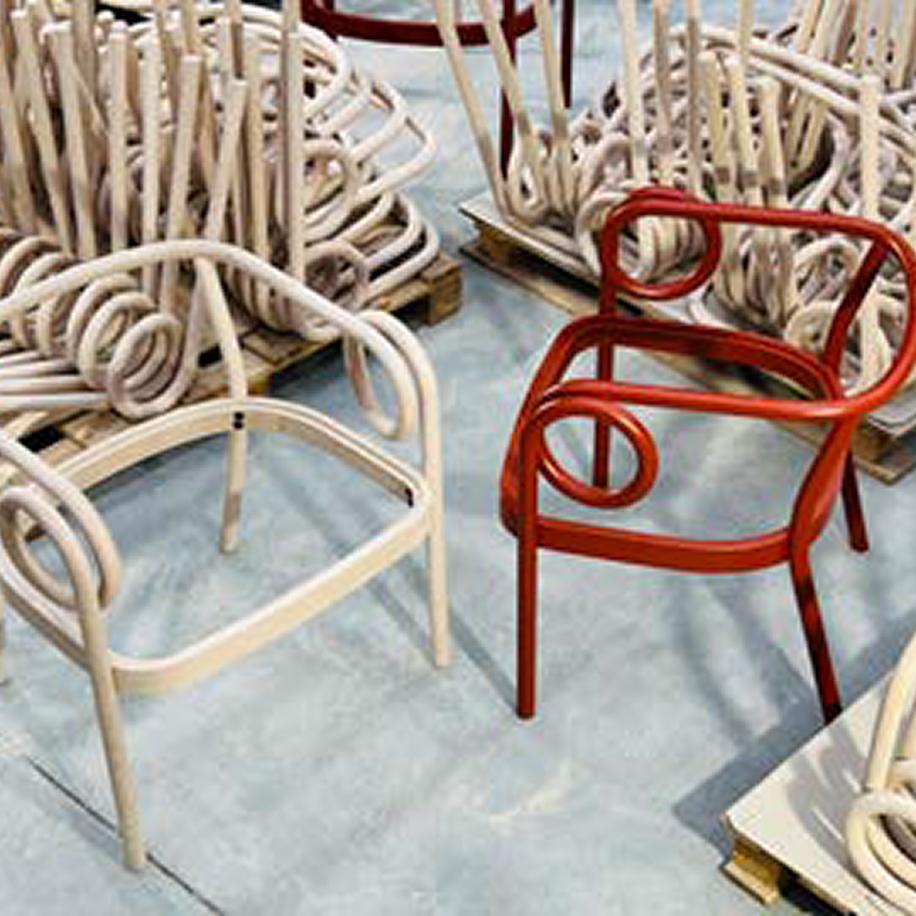
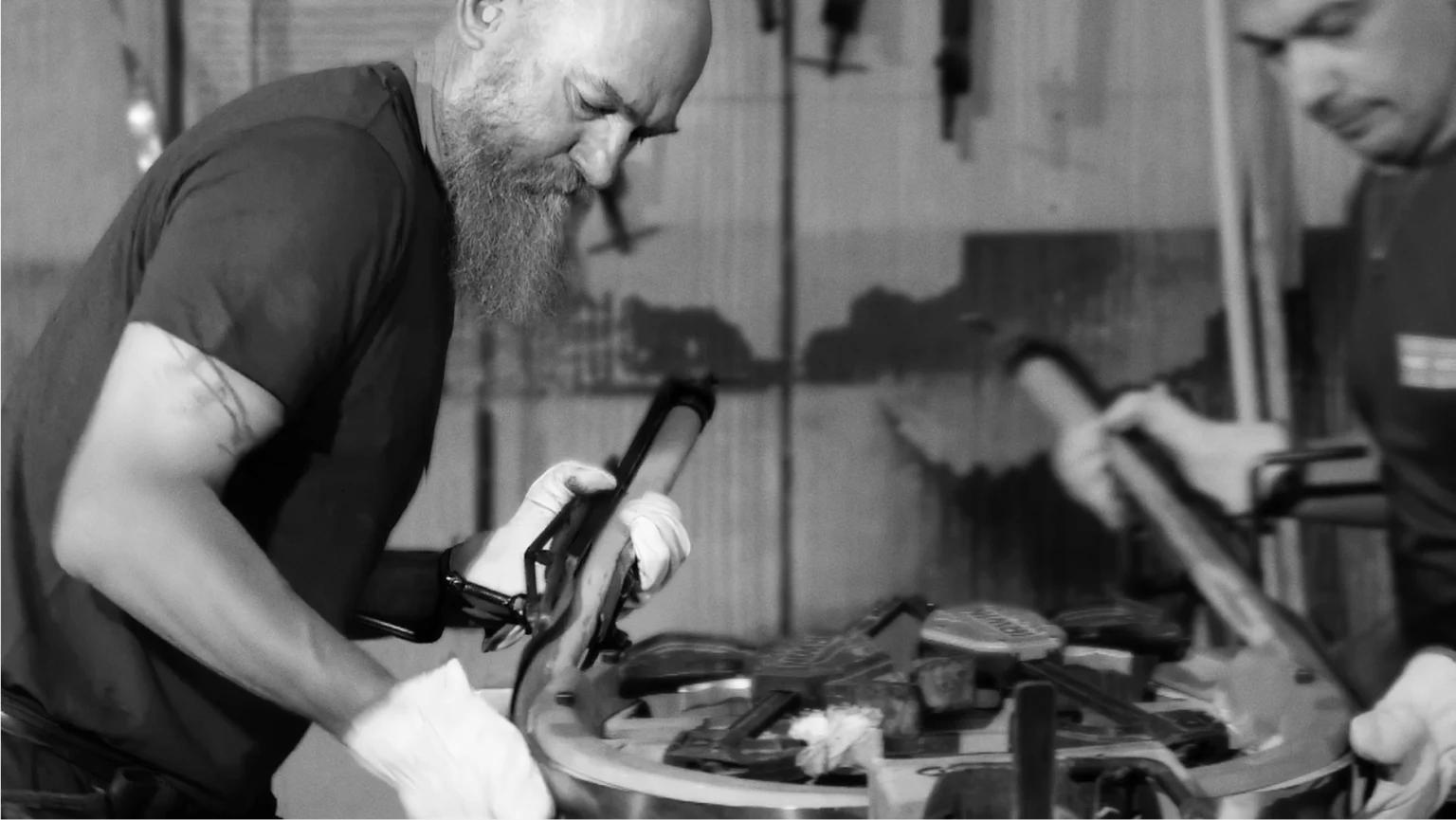
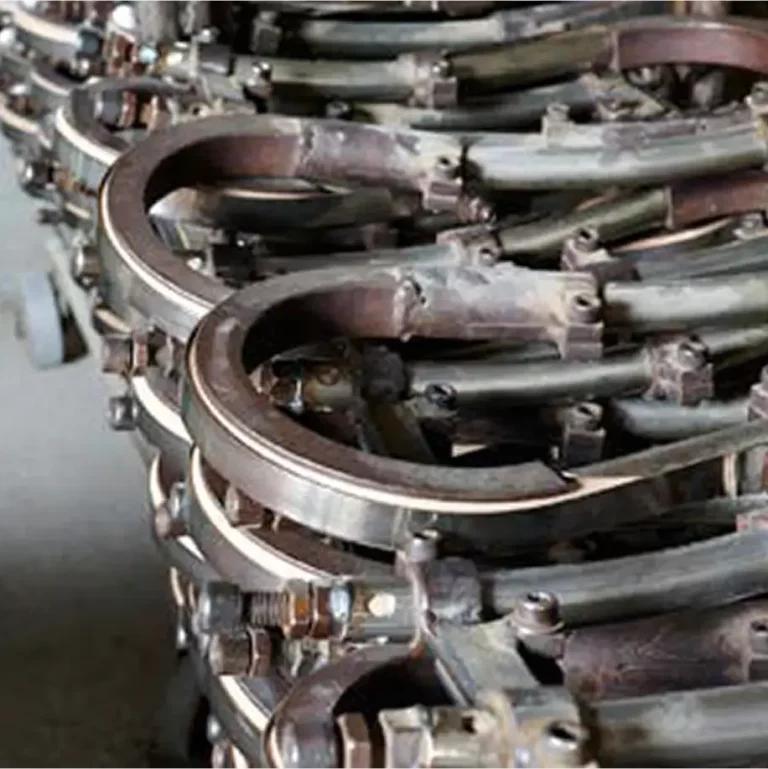
In 1842, Michael Thonet patented the process that made him famous throughout the world: strips of wood (preferably beech, thanks to its long, regular and knot-free fibre) were turned, placed in an autoclave to absorb moisture, forcefully bent and secured in metal moulds, then dried. After the pieces were finished, the "Vienna chair" was assembled, a distinctive element of the company.
A true industrial process, accompanied by the progressive elimination of ornaments and joints in favour of rigorous lines and greater simplification of the assembly elements.
Formal elegance, solidity and lightness have decreed the success of the company, which in a few years opened production facilities all over the world. A unique production method, rooted in a history rich in inspiration, which today is renewed through the choice of high-quality materials. The woods, selected for strength and versatility, combine with fine fabrics, enriching the collection with refined chromatic nuances.